
Quick Guide to Duda Templates for Multi-Client Sites
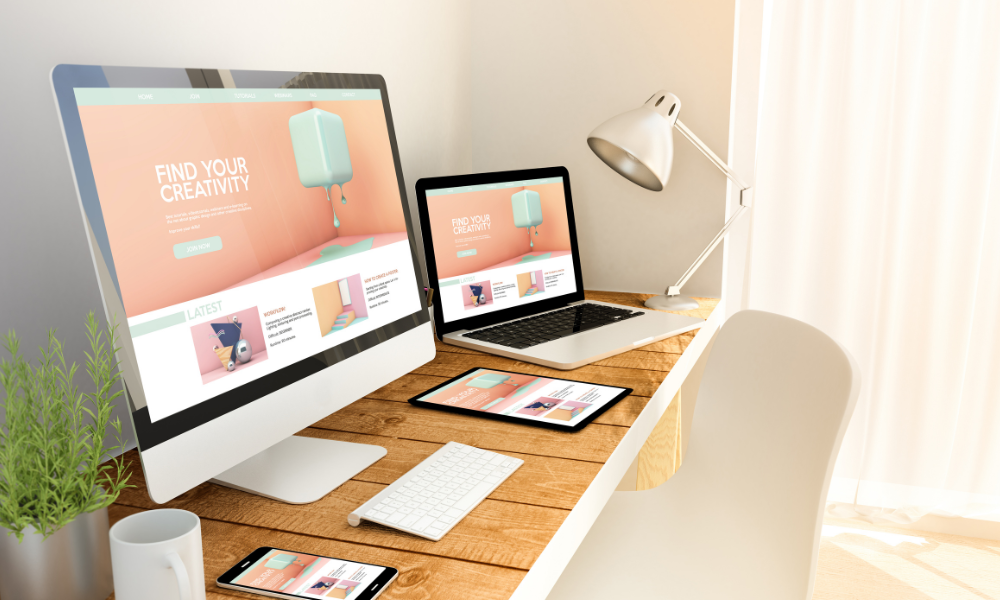
When we’re handling website builds for several clients at once, one of the places we often get slowed down is the starting point. Without a solid system, every new project feels like starting from scratch. That’s where Duda templates come in. They give us a shortcut without making things look cookie-cutter. Templates save time, tighten our process, and keep the quality steady across a bunch of different industries or brand styles.
This isn’t about making all sites look the same. It’s more about giving our campaigns a shared structure we can adjust fast. In this piece, we’re walking through how to use Duda templates in smarter ways that let us move faster without cutting corners. If our goal is uptime with flexibility, this approach makes the whole build much more manageable.
What Makes Duda a Good Fit for Multi-Client Builds
We like using Duda for client sites because it’s built with agencies in mind. It includes the flexibility we need to run content-heavy websites while still giving us tools to customize at scale.
- Shared elements like global footers and headers mean we don’t have to keep rebuilding basic parts for every client. If something changes later, we only have to fix it once.
- With branding controls and white label settings, it’s easier to keep the client’s design clean while still building everything under our own system.
- Duda templates let us start from a strong structure. Instead of searching for the right balance of spacing, layout, and widget placement, we’re already halfway there once we duplicate an existing template.
For industries like legal, real estate, coaching, or local services, we often use similar site structures. A few adjustments and we’re live, which keeps timelines short and content-focused.
Agency Designs offers website development solutions for WordPress, Duda, and custom platforms, so agencies can scale multi-site projects faster without getting lost in the setup details. Flexible templates from the team mean faster launches and more reliable handoffs across a range of industries.
Setting Up Your Template Library the Smart Way
We’ve found that our templates work better when our internal library stays organized. The key is thinking ahead about the types of projects we take on most often.
- Grouping templates by industry works well if we tend to serve similar types of clients. For example, one style for med spas, a different layout for home contractors, and another for coaching brands.
- Sometimes, it’s helpful to break templates into site stages. One for a quick launch while branding is still in development. Another template for full builds once final logos and photos land.
- Inside each Duda template, we create reusable blocks for things like testimonials, pricing tables, and contact forms. With those pieces saved, we can shift them around or re-style sections without fuss.
We take the extra ten minutes upfront to name our assets clearly and pin the most-used layouts. That’s eliminated confusion on launch weeks when we’re pushing multiple sites at once.
To keep the library efficient, we clean out outdated templates every season. Only the best and most updated options should stay in the main rotation. This lets us get to what we need quickly, avoids clutter, and keeps version confusion to a minimum.
Customizing Without Overwriting the Framework
One of the smartest ways we save hours across accounts is by knowing which parts of a Duda template should stay locked in and which ones can be flexed.
- Core structure, like header format, footer contents, or spacing between elements, usually stays the same. We don’t tweak those unless the brand really pushes for something different.
- Content blocks are more flexible. We swap out text, images, and button links in key places, but the block’s padding and alignment stay untouched. This helps maintain consistency and prevents drift in design.
- To keep the process running smoothly, we use placeholder content during the draft stage. This avoids bottlenecks when we’re waiting on final copy or photography.
Extra time spent up front, like getting the right placeholder images and demo content in place, usually pays off. Stakeholders see what the end build will look like and can give better feedback. That means less back-and-forth during revisions and launches go more smoothly.
Branding tweaks come after the main pieces are launched. Fonts, colors, favicon, and domain linking all get updated last. That makes it easier to keep our adjustments focused.
How to Avoid Template Fatigue for Your Clients
We never want our clients to feel like they got a recycled site, even if we’re working from a shared starting point. A few simple steps help the final product feel more custom.
- Light visual tweaks, like background colors or image shapes, can quickly separate one site from the next, even when the bones are the same.
- We avoid using the same bios, stock heads, or contact layouts twice in a row, especially for local service pages. A little rewriting and new icons give things a fresh feel.
- If too many templates start looking alike, we take a pause and refresh a few sections, adding a new FAQ block or swapping out the reviews format. These repairs only take a little time, but go a long way with client trust.
We also keep a spreadsheet that logs which templates and sections have been used for each client. This way, we can easily see patterns and remind ourselves to adjust or refresh where needed. It also helps us spot which layouts work best for user engagement and which may need an update for future builds.
It’s easy to set the wrong tone if every site ends up looking just like the last. Clients catch on, even if they don’t always say it. We aim for each design to feel rooted in its brand, even when we reuse sections behind the scenes.
Agency Designs’ fulfillment services give agencies access to professionally built templates for Duda, WordPress, and other platforms, with support for branding integration and workflow alignment.
Results That Stick with Less Effort
Using Duda templates the right way lets us get more done across accounts without rushing quality or falling behind. When we set ourselves up with a clean starting point and a clear system, we spend less time chasing fixes and more time adjusting based on results.
Doing that prep once saves hours with every new build. We’re not opening with a blank page, which keeps our focus on what matters: guiding the user clearly, getting forms working, and launching on schedule. Templates don’t pull creativity away. They free it up by handling the structure so we can focus on the finish.
Keeping templates tight, flexible, and organized makes our work easier and our launches faster. When we do the work up front, it pays off across every client that comes after.
At Agency Designs, we know that building smarter and faster across client accounts hinges on refining how we structure and launch every new project. By relying on organized processes, consistent styling, and purposeful layouts, we keep each build on track and eliminate unnecessary setbacks.
Using clear frameworks like
Duda templates allows us to reduce friction and deliver meaningful results. Ready to tighten up your process and experience the difference a streamlined setup makes? Let’s connect and move your business forward.