
Custom Widgets to Improve User Experience
Custom widgets can transform how visitors interact with a website. Instead of just static elements, these widgets offer unique features designed to capture and hold user attention. Adding interactive components plays a crucial role in making websites more engaging and user-friendly.
Choosing the right widgets can be a game-changer. They enhance the website's look and feel and improve user engagement, making users' online journey seamless and enjoyable.
Understanding the Role of Custom Widgets
Custom widgets are specialized tools crafted to add unique functionality to a website, setting them apart from standard widgets. While standard widgets come with predefined capabilities, custom widgets are made to meet the specific needs of a website and its users. They can be crafted to match various sites' aesthetic and functional requirements, offering a tailored experience.
The major advantage of custom widgets is their potential to enhance the user experience significantly. Every website visitor appreciates a site that is intuitive and easy to navigate. Custom widgets provide just that by offering features aligned with user needs. For instance, a navigation widget can help users find information effortlessly, reducing the time and effort spent searching.
Custom widgets serve a variety of functions, catering to different aspects of user interaction on a website:
- Navigation Aids: Simplifies website navigation.
- Interactive Elements: Engages users, encouraging actions like filling out forms.
- Content Display: Showcases articles, images, or videos engagingly.
By integrating custom widgets, websites can become more user-friendly and engaging, ensuring visitors have a pleasant experience and are likely to stay longer. This ultimately contributes to higher satisfaction and efficiency in achieving website goals.
Types of Custom Widgets for Better Engagement
Different types of custom widgets can help ramp up user engagement by making websites more interactive and appealing. Here are some popular types of custom widgets that enhance engagement:
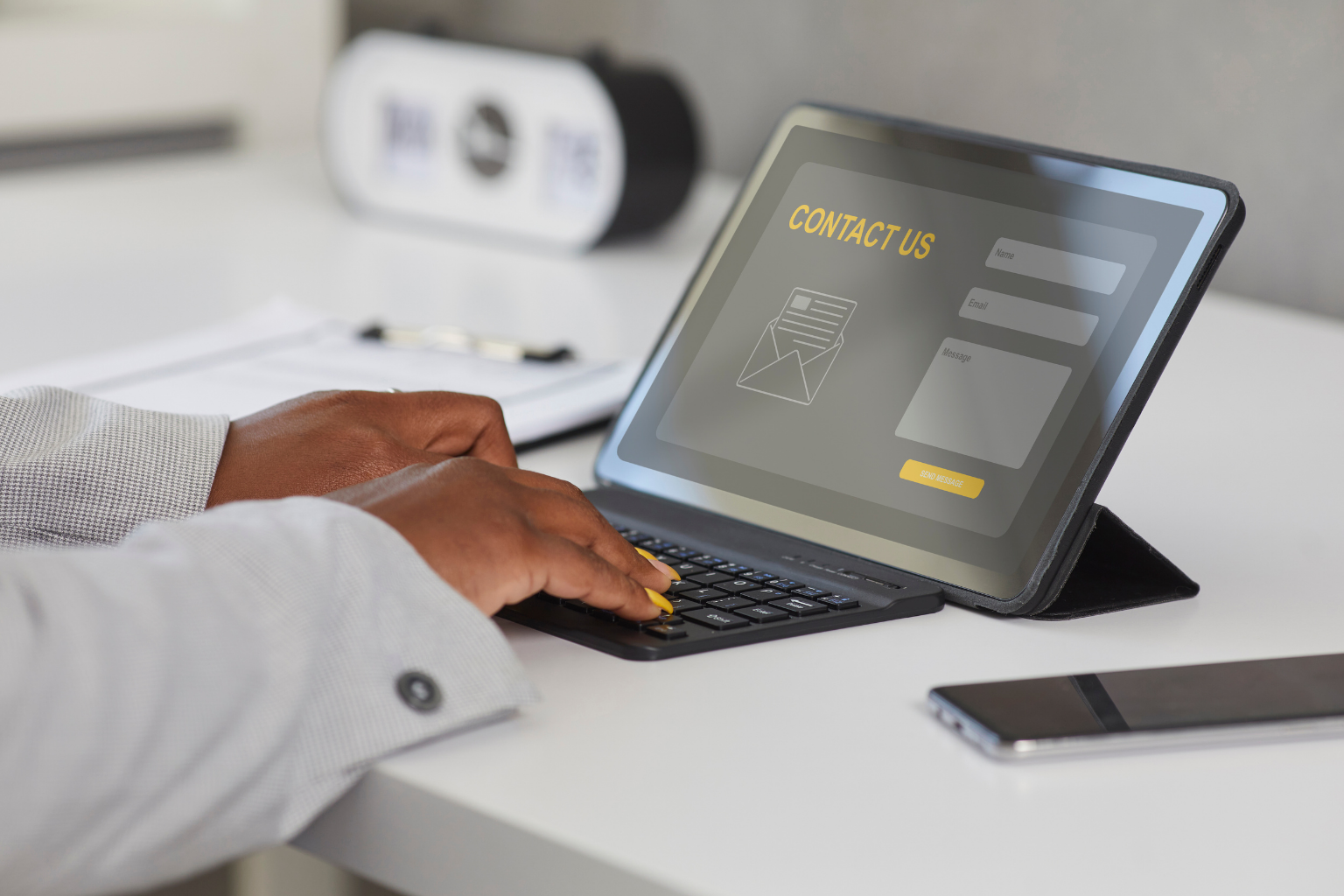
1. Interactive Forms: These allow users to share information, sign up for newsletters, or provide feedback easily.
2. Live Chat Boxes: Enable real-time communication with visitors, addressing their queries instantly.
3. Social Media Feeds: Keep content dynamic by showcasing the latest posts from platforms like Facebook and Twitter.
Each of these widgets plays a role in grabbing and maintaining user attention. Interactive forms can turn visitors into active participants, while live chat boxes make customer support readily accessible. Social media feeds ensure the site content remains fresh, making visitors return for new updates.
Additionally, media widgets, such as image galleries and video players, enrich the user experience by providing visually appealing content. They allow businesses to display products, share stories, or educate users through engaging media. This approach ensures that visitors don't just read but also see and hear the brand's values.
These widgets can keep visitors on the site longer, reduce bounce rates, and improve the likelihood of conversions. They transform simple scrolling into meaningful interaction, driving enhanced engagement and satisfaction.
Designing Widgets That Reflect Brand Identity
Creating custom widgets that match a brand's identity is vital for a cohesive online presence. It starts with understanding the brand's essence—what it stands for, its values, and its visual style. This understanding translates into widgets that serve a functional purpose and resonate with the audience.
To design such widgets, consider these elements:
1. Colors: Choose colors that align with the brand’s palette. Consistent use of color strengthens brand recognition.
2. Fonts: Select fonts that reflect the brand’s personality, whether modern, traditional, or playful.
3. Styles: Ensure the widget style fits seamlessly with the website design, from smooth animations to button shapes.
Consistency between widgets and the rest of the website is crucial for a harmonious appearance. Each widget, whether a social media feed or a subscription form, should feel like a natural part of the site. Thoughtful design makes the site more visually appealing and easy to navigate.
Overall, designing widgets with brand identity in mind creates a unified experience that conveys the brand message clearly and effectively, enhancing the user's connection to the brand.
Analyzing the Impact of Widgets on User Behavior
Understanding how widgets affect user behavior is essential to ensuring their effectiveness. Measuring their impact helps determine whether they improve user experience and meet goals. One method of assessment is to analyze specific metrics.
Key metrics to track include:
- Increased Time on Site: Indicates how engaging the widget is. More time spent suggests users find the content interesting.
- Lower Bounce Rates: Reflects users' willingness to explore further. A lower rate is often a sign of an inviting experience.
- Higher Conversion Rates: This shows the effectiveness of guiding users to desired actions, such as making purchases or signing up for newsletters.
Besides metrics, gathering user feedback offers valuable insights. Comments and suggestions can highlight areas for improvement. Use these insights to adjust and optimize widgets. Maybe a color change or repositioning can enhance visibility and effectiveness.
Continual refinement based on data ensures widgets remain relevant and impactful. This approach keeps the user experience fresh and aligned with evolving user expectations, driving better results and a more successful online presence.
Conclusion
Custom widgets can transform a simple site into an engaging, dynamic user experience. Businesses can significantly enhance how visitors interact with their sites by carefully designing them to match brand identity and listening to user feedback for improvements. As user preferences evolve, keeping pace with changes through data-informed strategies ensures that the widgets remain functional and engaging for all who visit.
Take the next step toward creating a more engaging website. At Agency Designs, we craft custom widgets that align with your brand and captivate your audience. Let us help you enhance user interaction and drive growth through tailored white label web design services. Contact us today to explore the possibilities.