
Appointment-First Design for Medical and Dental Websites
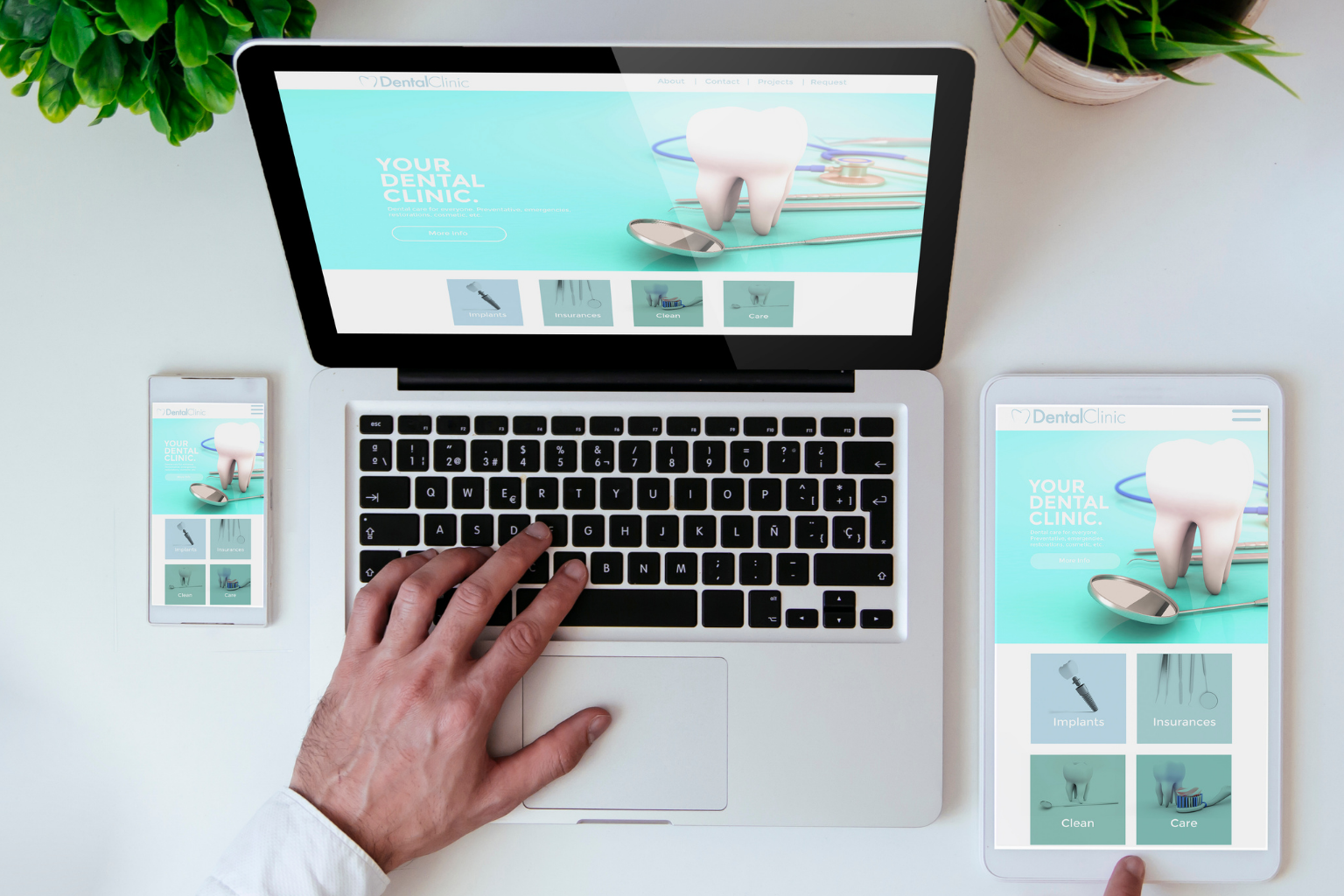
Appointment-First Design for Medical and Dental Websites
Medical and dental websites should do one thing exceptionally well: turn visitors into booked appointments. Information matters, branding matters, but if the schedule is not filling, the site is not doing its real job.
When we design for appointment-first performance, we treat the website like a 24/7 front desk assistant. Its primary responsibility is to answer common questions quickly, build trust fast, and make it almost effortless to book. With our premium templates for Brizy for WordPress, Duda, and traditional WordPress, we bake that appointment focus into the layout from day one, so marketing agencies are not wrestling with basic structure every time. At Agency Designs, we provide white label, appointment-driven designs that help agencies launch high-performing healthcare sites for clients around the world.
Medical and dental practices face a specific mix of urgency, anxiety, and logistics. Patients want to know if they can be seen soon, if the provider can be trusted, if their insurance is accepted, and how convenient the visit will be. Our job as designers is to make the answers to those questions obvious, then guide the visitor into the right type of appointment with as few clicks and as little mental effort as possible.
What Patients Expect From Today’s Healthcare Websites
Patients arrive on a medical or dental site with a short list of questions that need fast, clear answers. The home page has just a few seconds to show who the practice is, what they treat, where they are located, and exactly how to book right now, on any device.
Strong healthcare templates are built to deliver that clarity above the fold. In our experience, patients expect:
- A clear statement of what the practice does and who it serves
- Location and office hours without hunting through menus
- A primary “Book Appointment” action that works beautifully on mobile
- A backup “Call Office” option for those who prefer the phone
Friction-free scheduling is just as important. That means:
- Prominent, repeated appointment calls to action across the page
- Simple forms with only essential fields, especially on smaller screens
- Clear expectations about what happens after the form is submitted
- Obvious options for emergencies, urgent concerns, or same-day needs
Trust is the other half of the equation. High-performing healthcare sites tend to include:
- Provider photos, short bios, and credentials in plain language
- Insurance and payment information presented without jargon
- Real reviews or testimonials in a consistent, easy-to-skim format
- Safety, privacy, and comfort messaging that lowers anxiety
Premium templates for Brizy for WordPress and Duda can be pre-structured with these expectations in mind. Instead of rebuilding this framework every time, agencies can start with layouts that already include these sections and simply tailor copy, visuals, and branding to each practice.
Core Layout Elements Every Medical and Dental Site Needs
If the website is your front desk assistant, its layout is the script. Certain elements almost always belong in a modern medical or dental design.
First is the appointment-focused hero section. We like to see:
- A sticky header with a visible “Book Now” button
- A main hero block with one primary CTA and a secondary “Call Office” option
- Fast links for new vs. existing patients, so each group gets what it needs
Next come streamlined intake pathways. Instead of burying new patient forms or mixing all appointment types together, the layout can guide different visitors down clear paths. Common patterns include:
- A “New Patient” flow with simple steps and minimal fields
- Embedded scheduling widgets placed high on the page
- Short, scannable forms that can be finished on a phone in under a minute
Then there are the high-trust content zones that should not be afterthoughts. Strong templates reserve space for:
- Provider bios with photos, specialties, and friendly, human language
- Before-and-after galleries where appropriate, especially for dental or cosmetic work
- Notices about privacy, HIPAA-related information, and how data is handled
- Rotating testimonials or social proof blocks that support the decision to book
Our premium templates at Agency Designs include these patterns as defaults across Brizy for WordPress, Duda, and traditional WordPress builds. That consistency saves agencies significant design and UX time and lets them focus on tone, content, and conversion strategy instead of reinventing the core layout.
Designing Appointment-Driven Templates Across CMS Platforms
Different agencies prefer different CMS platforms, but the appointment-first mindset should stay consistent. That is why we design our templates so the same UX principles carry across Brizy for WordPress, Duda, and standard WordPress.
On Brizy for WordPress, we lean into the visual builder. Our templates are structured with:
- Visual grids for services that keep content scannable
- Reusable appointment CTA blocks that can be dropped into any page
- Global sections for contact details and location, so one edit updates the whole site
With Duda, section-based design is the star. Our appointment-focused templates often include:
- Pre-built “Request Appointment” strips that can appear on multiple pages
- Mobile-specific header layouts that prioritize tap-to-call and tap-to-book
- Location-based pages that all feed into the same scheduling system
For standard WordPress setups, we keep things theme-agnostic. We create:
- Page layout structures aligned with common healthcare journeys
- Custom blocks and pattern libraries that organize appointment flows
- Built-in spots ready for plugin-based schedulers, without extra layout work
The goal is simple: agencies can choose the tech stack that fits the client without sacrificing booking performance. By unifying UX best practices across all three platforms, we help keep appointment-focused behavior consistent, no matter which CMS is running the site.
Optimizing Conversion with Smart Appointment UX Choices
Once the basic layout is in place, small UX decisions often make the biggest difference in how many visitors actually finish booking. We like to focus on three main areas: clicks, intent, and appointment types.
To reduce clicks and friction, templates can include:
- A primary “Book Now” button visible on almost every scroll
- Floating action buttons on mobile for quick thumb access
- Short, step-by-step forms instead of one long, overwhelming page
Segmenting visitors by intent is just as powerful. Someone in pain behaves very differently from someone comparing cosmetic treatments. Layout options that help here might include:
- Clear links like “I am in pain,” “I need a checkup,” and “Cosmetic consultation”
- Tailored FAQs under each option that answer the most likely concerns
- Form variations that match the urgency and information needs of each group
Supporting multiple appointment types is a reality for most practices. Templates should make it obvious whether the visitor is booking:
- A new patient visit or a returning patient check-in
- An emergency or urgent slot, when available
- Telehealth, virtual consults, or in-person follow-ups
Each pathway should set clear expectations: how long it might take, what information is needed, and what will happen after submission. Because our templates for Brizy for WordPress and Duda are modular, agencies can quickly test different layouts, CTAs, and section orders, then refine based on real client feedback.
Launching Faster with White Label, Appointment-Ready Templates
For agencies, the real advantage of appointment-first templates is speed with quality. Starting from a premium medical or dental layout means you are not starting from a blank canvas. Instead, you are refining:
- Branding, colors, and typography so the site feels like the practice
- Copy that reflects the provider’s voice and specialty
- Service-specific details that matter for that particular location
White label fulfillment adds another layer of benefit. With Agency Designs, agencies deliver high-end, conversion-focused websites under their own brand while we provide the underlying templates across Brizy for WordPress, Duda, and WordPress. Over time, standardizing on proven appointment-driven layouts for healthcare projects can help improve build times, margins, and client satisfaction, all while giving patients the one thing they care about most: a fast, clear path to the right appointment.
Get Started With Your Project Today
If you are ready to turn your website ideas into a polished, conversion-focused reality, we are here to help. At Agency Designs, we use Brizy for WordPress to build fast, flexible, and easy-to-manage sites tailored to your goals. Share your vision with our team so we can map out a clear plan, timeline, and strategy that fits your business. Let us handle the technical details so you can focus on growing your brand.
Appointment-First Design for Medical and Dental Websites
Medical and dental websites should do one thing exceptionally well: turn visitors into booked appointments. Information matters, branding matters, but if the schedule is not filling, the site is not doing its real job.
When we design for appointment-first performance, we treat the website like a 24/7 front desk assistant. Its primary responsibility is to answer common questions quickly, build trust fast, and make it almost effortless to book. With our premium templates for Brizy for WordPress, Duda, and traditional WordPress, we bake that appointment focus into the layout from day one, so marketing agencies are not wrestling with basic structure every time. At Agency Designs, we provide white label, appointment-driven designs that help agencies launch high-performing healthcare sites for clients around the world.
Medical and dental practices face a specific mix of urgency, anxiety, and logistics. Patients want to know if they can be seen soon, if the provider can be trusted, if their insurance is accepted, and how convenient the visit will be. Our job as designers is to make the answers to those questions obvious, then guide the visitor into the right type of appointment with as few clicks and as little mental effort as possible.
What Patients Expect From Today’s Healthcare Websites
Patients arrive on a medical or dental site with a short list of questions that need fast, clear answers. The home page has just a few seconds to show who the practice is, what they treat, where they are located, and exactly how to book right now, on any device.
Strong healthcare templates are built to deliver that clarity above the fold. In our experience, patients expect:
- A clear statement of what the practice does and who it serves
- Location and office hours without hunting through menus
- A primary “Book Appointment” action that works beautifully on mobile
- A backup “Call Office” option for those who prefer the phone
Friction-free scheduling is just as important. That means:
- Prominent, repeated appointment calls to action across the page
- Simple forms with only essential fields, especially on smaller screens
- Clear expectations about what happens after the form is submitted
- Obvious options for emergencies, urgent concerns, or same-day needs
Trust is the other half of the equation. High-performing healthcare sites tend to include:
- Provider photos, short bios, and credentials in plain language
- Insurance and payment information presented without jargon
- Real reviews or testimonials in a consistent, easy-to-skim format
- Safety, privacy, and comfort messaging that lowers anxiety
Premium templates for Brizy for WordPress and Duda can be pre-structured with these expectations in mind. Instead of rebuilding this framework every time, agencies can start with layouts that already include these sections and simply tailor copy, visuals, and branding to each practice.
Core Layout Elements Every Medical and Dental Site Needs
If the website is your front desk assistant, its layout is the script. Certain elements almost always belong in a modern medical or dental design.
First is the appointment-focused hero section. We like to see:
- A sticky header with a visible “Book Now” button
- A main hero block with one primary CTA and a secondary “Call Office” option
- Fast links for new vs. existing patients, so each group gets what it needs
Next come streamlined intake pathways. Instead of burying new patient forms or mixing all appointment types together, the layout can guide different visitors down clear paths. Common patterns include:
- A “New Patient” flow with simple steps and minimal fields
- Embedded scheduling widgets placed high on the page
- Short, scannable forms that can be finished on a phone in under a minute
Then there are the high-trust content zones that should not be afterthoughts. Strong templates reserve space for:
- Provider bios with photos, specialties, and friendly, human language
- Before-and-after galleries where appropriate, especially for dental or cosmetic work
- Notices about privacy, HIPAA-related information, and how data is handled
- Rotating testimonials or social proof blocks that support the decision to book
Our premium templates at Agency Designs include these patterns as defaults across Brizy for WordPress, Duda, and traditional WordPress builds. That consistency saves agencies significant design and UX time and lets them focus on tone, content, and conversion strategy instead of reinventing the core layout.
Designing Appointment-Driven Templates Across CMS Platforms
Different agencies prefer different CMS platforms, but the appointment-first mindset should stay consistent. That is why we design our templates so the same UX principles carry across Brizy for WordPress, Duda, and standard WordPress.
On Brizy for WordPress, we lean into the visual builder. Our templates are structured with:
- Visual grids for services that keep content scannable
- Reusable appointment CTA blocks that can be dropped into any page
- Global sections for contact details and location, so one edit updates the whole site
With Duda, section-based design is the star. Our appointment-focused templates often include:
- Pre-built “Request Appointment” strips that can appear on multiple pages
- Mobile-specific header layouts that prioritize tap-to-call and tap-to-book
- Location-based pages that all feed into the same scheduling system
For standard WordPress setups, we keep things theme-agnostic. We create:
- Page layout structures aligned with common healthcare journeys
- Custom blocks and pattern libraries that organize appointment flows
- Built-in spots ready for plugin-based schedulers, without extra layout work
The goal is simple: agencies can choose the tech stack that fits the client without sacrificing booking performance. By unifying UX best practices across all three platforms, we help keep appointment-focused behavior consistent, no matter which CMS is running the site.
Optimizing Conversion with Smart Appointment UX Choices
Once the basic layout is in place, small UX decisions often make the biggest difference in how many visitors actually finish booking. We like to focus on three main areas: clicks, intent, and appointment types.
To reduce clicks and friction, templates can include:
- A primary “Book Now” button visible on almost every scroll
- Floating action buttons on mobile for quick thumb access
- Short, step-by-step forms instead of one long, overwhelming page
Segmenting visitors by intent is just as powerful. Someone in pain behaves very differently from someone comparing cosmetic treatments. Layout options that help here might include:
- Clear links like “I am in pain,” “I need a checkup,” and “Cosmetic consultation”
- Tailored FAQs under each option that answer the most likely concerns
- Form variations that match the urgency and information needs of each group
Supporting multiple appointment types is a reality for most practices. Templates should make it obvious whether the visitor is booking:
- A new patient visit or a returning patient check-in
- An emergency or urgent slot, when available
- Telehealth, virtual consults, or in-person follow-ups
Each pathway should set clear expectations: how long it might take, what information is needed, and what will happen after submission. Because our templates for Brizy for WordPress and Duda are modular, agencies can quickly test different layouts, CTAs, and section orders, then refine based on real client feedback.
Launching Faster with White Label, Appointment-Ready Templates
For agencies, the real advantage of appointment-first templates is speed with quality. Starting from a premium medical or dental layout means you are not starting from a blank canvas. Instead, you are refining:
- Branding, colors, and typography so the site feels like the practice
- Copy that reflects the provider’s voice and specialty
- Service-specific details that matter for that particular location
White label fulfillment adds another layer of benefit. With Agency Designs, agencies deliver high-end, conversion-focused websites under their own brand while we provide the underlying templates across Brizy for WordPress, Duda, and WordPress. Over time, standardizing on proven appointment-driven layouts for healthcare projects can help improve build times, margins, and client satisfaction, all while giving patients the one thing they care about most: a fast, clear path to the right appointment.
Get Started With Your Project Today
If you are ready to turn your website ideas into a polished, conversion-focused reality, we are here to help. At Agency Designs, we use
Brizy for WordPress to build fast, flexible, and easy-to-manage sites tailored to your goals. Share your vision with our team so we can map out a clear plan, timeline, and strategy that fits your business. Let us handle the technical details so you can focus on growing your brand.