
Conversion-First Homepages Built From Reusable Sections
Turn Your Homepage Into a Conversion Engine
Most agency-built homepages look great on the surface, but quietly underperform where it matters: conversions. The usual pattern is familiar; a designer starts from scratch, experiments with layouts, and ships something that feels custom, yet the leads trickle in instead of flow. The problem is not effort or talent, it is the lack of a repeatable, proven structure designed to guide visitors toward one clear action.
A stronger approach is to build homepages from reusable, conversion-focused sections. Think of your hero, proof, offer, process, FAQs, and calls to action as modular pieces you can mix, match, and reuse across projects without sacrificing quality. At Agency Designs, we focus on this modular architecture inside premium templates and white-label libraries for platforms like the Brizy website builder, Duda, and WordPress, so agencies and resellers can move faster and still ship conversion-first pages at scale. In this article, we will walk through how to think in reusable sections, what makes a homepage truly conversion-focused, and how modern builders make this approach feel natural in day-to-day production.
What Makes a Homepage Conversion-First, Not Just Pretty
Aesthetic-first design centers on how a homepage looks. Fonts, colors, spacing, and imagery get most of the attention. That visual polish matters, but on its own it does not guarantee more calls booked, forms submitted, or products sold. Conversion-first design starts with structure and user flow, then layers design on top to support that strategy.
A strong, conversion-focused homepage does a few core things quickly and clearly. It explains what you do, who you do it for, and why visitors should trust you. It gives a single, obvious next step, and it removes friction or confusion that could interrupt that path. Every section plays a role in answering a question or easing a concern in the visitor’s mind.
Here are essential elements we bake into our homepage templates so agencies do not have to reinvent them every time:
- Above-the-fold hero with one primary CTA, no competing actions
- Social proof such as logos, testimonials, or reviews to build trust
- Clear service or value prop blocks that are easy to scan on desktop and mobile
- A simple “how it works” or process section to reduce uncertainty
- Strategic secondary CTAs like booking a call, requesting a quote, or grabbing a lead magnet
When agencies start from a layout that already includes these pieces in a logical order, they can focus on tailoring the message to the client’s niche. Instead of spending hours debating where to put the testimonial section, they can refine the actual testimonial content and the offer it supports.
Designing with Reusable Sections and Widgets in Mind
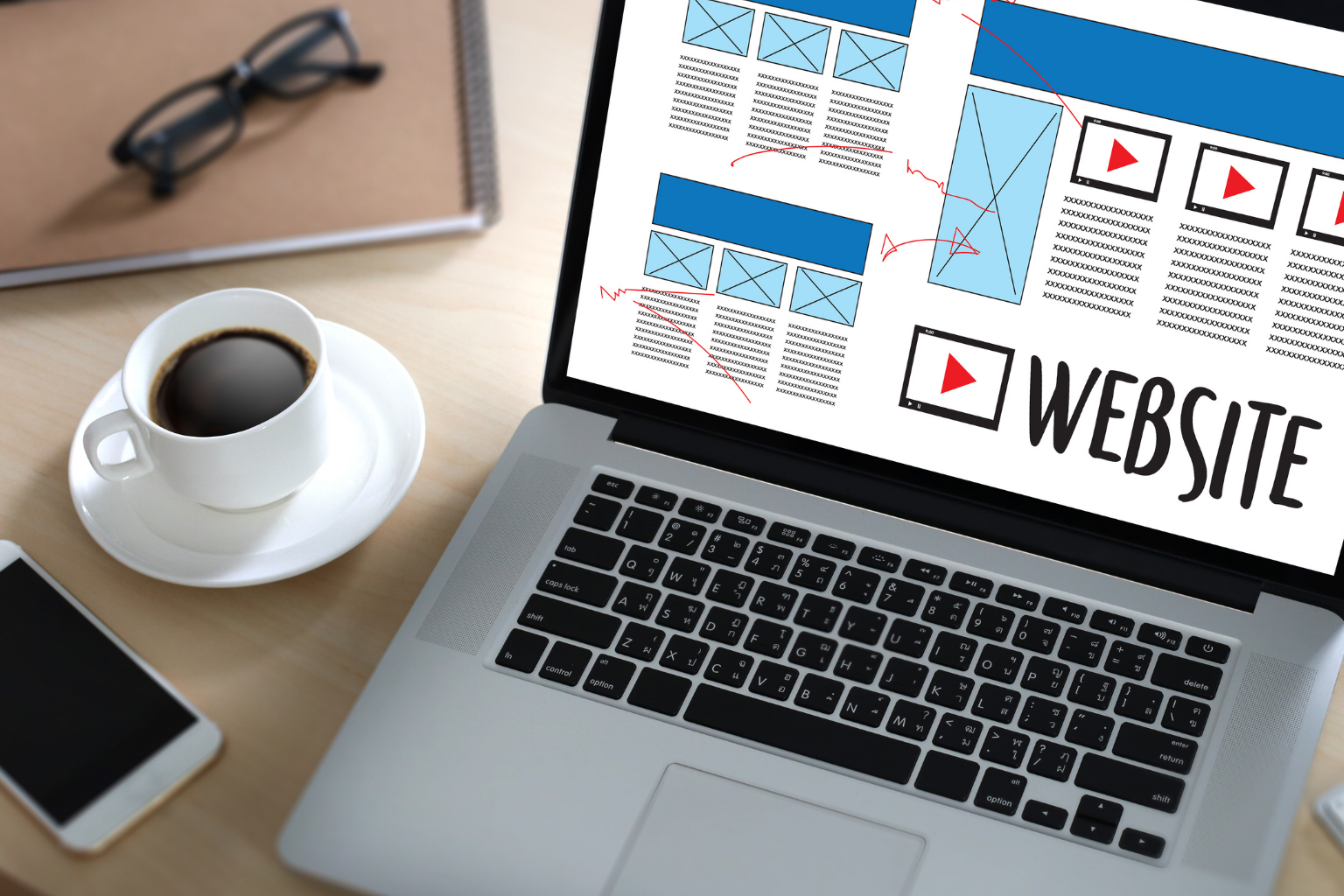
The modular mindset is about thinking in blocks, not entire pages. Rather than saying, “We are designing a homepage from zero,” we prefer to say, “We are assembling a homepage from a hero block, a proof block, an offer block, an objection-handling block, FAQs, and a strong footer.” Each block is reusable, and once it is dialed in, you can bring it into any project with confidence.
Widgets are the smaller conversion tools inside those blocks. Forms, sliders, icon lists, pricing tables, accordions, countdowns, and galleries all become assets when they are configured once with best practices in mind. For example, a lead form template might already include:
- Minimal fields to keep friction low
- Clear microcopy under the submit button
- Built-in error messages and confirmation text
Standardizing these details inside reusable widgets creates consistency across every site you ship. The real advantage for agencies is scalability. You can roll out sites for law firms, home services, coaches, or local retailers using the same core layouts and widget setups, then simply swap copy, colors, and imagery. The underlying UX flow stays proven and familiar.
We structure our white-label libraries with this in mind, organizing sections by funnel stage. We include top-of-page hero and positioning blocks, mid-page proof and offer details, and lower-page FAQs and final CTAs. This makes it easy to drop the right pieces into any Brizy, Duda, or WordPress build without slowing down your team.
Building Modular Homepages with Brizy, Duda, and WordPress
Different platforms handle modularity in slightly different ways, but the core idea is the same: save your best sections, then reuse them.
On the Brizy website builder, the block-based editor fits perfectly with this approach. You can build a killer hero section once, with global styling for fonts and colors, then save it as a reusable block. For agencies, that means you can take sections from our templates, store them as global blocks, and bring them into any new client project in a few clicks. Edit the design system in one place, and that styling carries through your saved sections and new pages.
Duda leans heavily into sections and widgets too, which is why many agencies choose it when they need to manage a lot of client sites. Site templates and global sections let you reuse successful layouts while still customizing per client. When you start with pre-engineered homepage templates from us, you are essentially stacking two layers of efficiency: Duda’s built-in multi-site tools plus layouts that are already structured for conversions.
In the WordPress ecosystem, modularity shows up in page builders and block themes. Reusable patterns, global sections, and widgetized areas let you design once and repeat. When you combine that with templates that are already trimmed for speed and clarity, you avoid the bloat that can sneak into custom builds. You can keep the design flexible while still staying true to a conversion-first structure that works across niches.
Turning Premium Templates Into a Repeatable Agency System
To turn all this into a real system, start with one premium homepage template on your platform of choice, whether that is Brizy, Duda, or WordPress. Use it as your “master” for a specific niche. Then clone the structure for each new client in that niche and change only what you need: brand colors, logos, typography, photography, and copy. The hero stays a hero, the proof section stays a proof section, and the CTA logic stays aligned with your conversion goals.
A practical internal process might look like this:
- Create a small set of master homepages for your top niches and platforms
- Document which sections are mandatory and which are optional per niche
- Define default widget settings for forms, pricing tables, and FAQ accordions
- Standardize how you handle success messages, error states, and thank-you pages
Quality control becomes much easier when your forms, tracking tags, and events are already wired in at the template level. Instead of wondering whether a contractor remembered to hook up analytics on a new client site, you know every homepage cloned from your master already includes those pieces. The Brizy website builder in particular makes this feel natural, since saved blocks and consistent design systems come built in, so refining your system over time is simple.
Launch Faster, Convert Better, and Scale Your Builds
When you stop treating every homepage as a one-off art project and start treating it as an assembly of proven sections and widgets, your entire workflow shifts. Designers spend less time guessing, copywriters get clearer frameworks to write into, and clients get homepages that feel custom while quietly following a tested conversion pattern.
For agencies and resellers, this approach leads to faster delivery, healthier margins, more predictable results, and easier onboarding for new team members. By leaning on premium templates for Brizy, Duda, and WordPress that are already structured for conversions, and then building your own internal library of reusable sections, you give your team a sustainable way to scale without sacrificing quality. Over time, each project you launch makes your library stronger, and each section you refine becomes another reliable piece in your conversion-first homepage system.
Get Started With Your Project Today
If you are ready to turn your idea into a fast, conversion-focused website, we are here to help. Our team at Agency Designs builds custom WordPress sites using the
Brizy website builder so you can easily manage and update your content. Share your goals with us, and we will map out a clear plan, timeline, and investment that fits your needs. Let’s start building a site that supports your business growth from day one.