
Simplifying Cross-Team Tasks With Duda Fulfillment Workflows
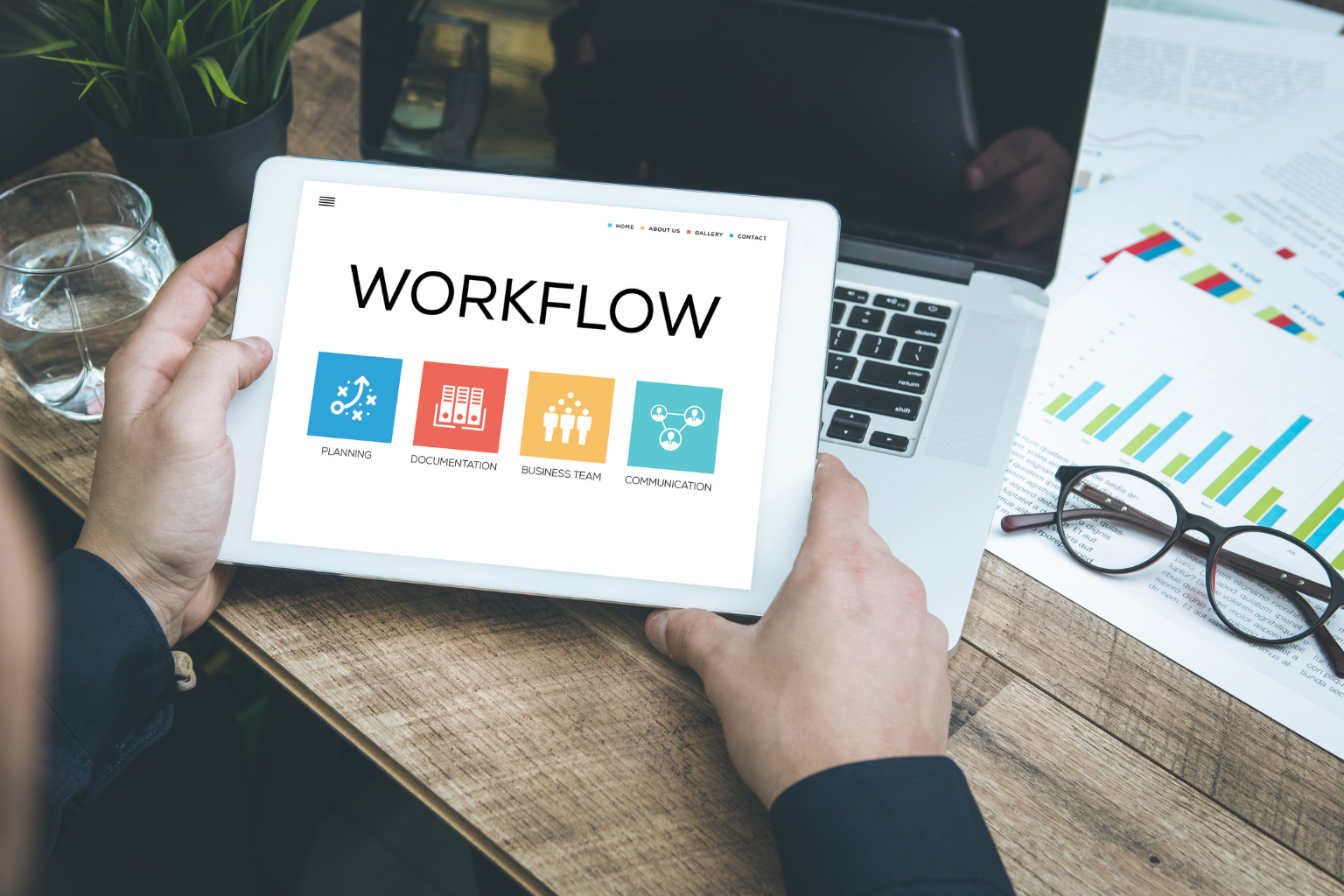
When several teams work on one site, things can get tangled fast. Tasks overlap, messages get missed, and before we know it, someone’s waiting on something they did not know they had to do. Websites do not build themselves, and every step has people behind it.
That is where Duda fulfillment comes in. It is a way to make teamwork feel less scattered. Instead of chasing updates or fixing double work, we can set things up once and let the system keep things moving. It is not about doing more, it is about knowing what is done, what is next, and who is handling it. With better workflows, we give every team a better shot at finishing strong without stepping on each other's work.
Building Team Checkpoints That Stick
Deadlines matter, but so does how we get there. If we only hear from one another when something goes wrong, we are setting ourselves up for more cleanup later. A checkpoint system keeps team conversations from turning into backtracking.
We like starting projects with a shared style guide and a core template. It answers the small questions early, like how to name files, write H1 headings, or format sections. That saves time later and helps avoid mismatches between design and content teams.
Weekly or biweekly stops give us space to check in. We use these to touch base on layout, copy versions, or SEO steps. When every group knows when to speak up, we cut guesswork down. Duda’s workflow tools support this rhythm, so notes go right on the page, and we do not have to start threads elsewhere that get forgotten.
The difference shows up when a project goes off track, and we still know how to find our way back. The checkpoints create a habit of talking things through before problems boil over.
Keeping Everyone on the Same Tools
Jumping between apps to manage one job creates noise. Notes get scattered across emails, chats, and drives. Instead of setting up more tools, we have started asking teams to stick to one shared workspace for edits, comments, and requests.
That is where using one system helps. Duda gives us a central spot to handle most of the day-to-day actions on a build. Designers, content editors, and account managers can all see the page and leave notes without logging into a separate online form or chat group.
This way, feedback stays where the work lives. And we avoid mini side channels that confuse the overall direction. When we use fewer tools and keep things visible, jobs feel less chaotic. Everyone’s looking at the same thing, which means fewer surprises later.
Agency Designs supports agencies with Duda web development, edit tracking, and task management tools built into every site, so you can streamline collaboration and approvals with the teams you already work with.
Streamlining Client Approvals Without Delays
Client sign-off always takes time, but it takes more time when we are not clear on what we are showing or what they are supposed to say yes to. Approval delays usually come from unclear steps before it gets to them.
So we start with internal reviews. If two teams are waiting on one design to move forward, that design should be reviewed and cleaned up before it moves into the client zone. No one wants to lose trust over a sloppy version making it through.
Then, inside Duda fulfillment, we track the progress. We know what’s been sent and what needs edits. Giving clients clear deliverables, with all placeholders filled and no half-done copy, helps avoid back-and-forth.
Here is what helps us prep client-ready work:
- Make sure the layout matches what was discussed
- Check that image placements make sense on both desktop and mobile
- Make sure copy reads clearly for someone on their first pass
These little checks keep things moving forward. Looking polished on the first review builds confidence and shortens the distance between versions.
Sometimes, we also offer a short explanation for unusual layout choices or new sections, just to set clear expectations when the client reviews the work. This builds trust in our process and helps reduce confusion.
Avoiding the Common Setbacks in Multi-Team Projects
Every agency has felt the pain of releasing a site with a wrong link or missing image because it fell through a gap no one noticed. These issues usually pop up when jobs overlap and no one’s quite sure who had the last say.
The setbacks we see most often include:
- Edits being made from two places at once
- Updated files not replacing outdated ones in the page layout
- QA steps skipped because deadlines push delivery too soon
We cannot avoid every mistake, but we can tighten the way we handle responsibility. That means setting rules about where things get saved, when final edits get merged in, and how to close the loop on tasks.
Duda’s project and workflow settings give us structure. Since updates all live in one place, and the editing tools are attached to the content itself, we have fewer slips between teams. It helps us spot errors before they go live and keep the final round of quality checks clean and focused.
As we handle more and more sites, these small processes pay off by helping us catch small issues before they turn into costly problems. With more people working in parallel, a clear assignment of jobs and a shared tracking sheet make the work more manageable. This is even more useful as we take on more volume. The bigger the workstream, the less time we have to slow down for fix-its. A tight system makes all the little pieces keep pace.
Clear Paths Ahead for Smoother Projects
Multi-team projects do not have to turn into a waiting game. We have found that when we focus on handoffs, not just deadlines, things just go smoother.
Using Duda fulfillment lets us work like a chain. Each part hands off to the next without double-checking who is holding the ball. Everyone knows what version is current, where comments belong, and when feedback is due.
Having a clear schedule for deliverables, weekly check-ins, and feedback deadlines gives every team a sense of direction. Knowing what comes next helps people manage their time, and clear expectations at each handoff make life easier for everyone involved.
Those small steps, shared tools, built-in checkpoints, and clear handoffs are what get us from start to finish without blowing up the timeline. And they help us trust the work too. When the setup supports each step, teams do not have to second-guess the process. They can just do the work.
Over time, the habit of using these workflows pays off by reducing project stress. Each successful handoff builds momentum and sets the tone for future projects. Keeping communication open and the process visible stops errors before they land and keeps teams motivated to keep up the same standard the next time.
Keeping multi-team projects on track is all about smart handoffs, and at Agency Designs, we have found that clear checkpoints, fewer tools, and consistent review habits make a real difference. Our approach to
Duda fulfillment brings structure to your workflow, ensuring tasks are connected and nothing falls through the cracks. Interested in building a seamless process? Let’s connect and explore how we can support your team.